
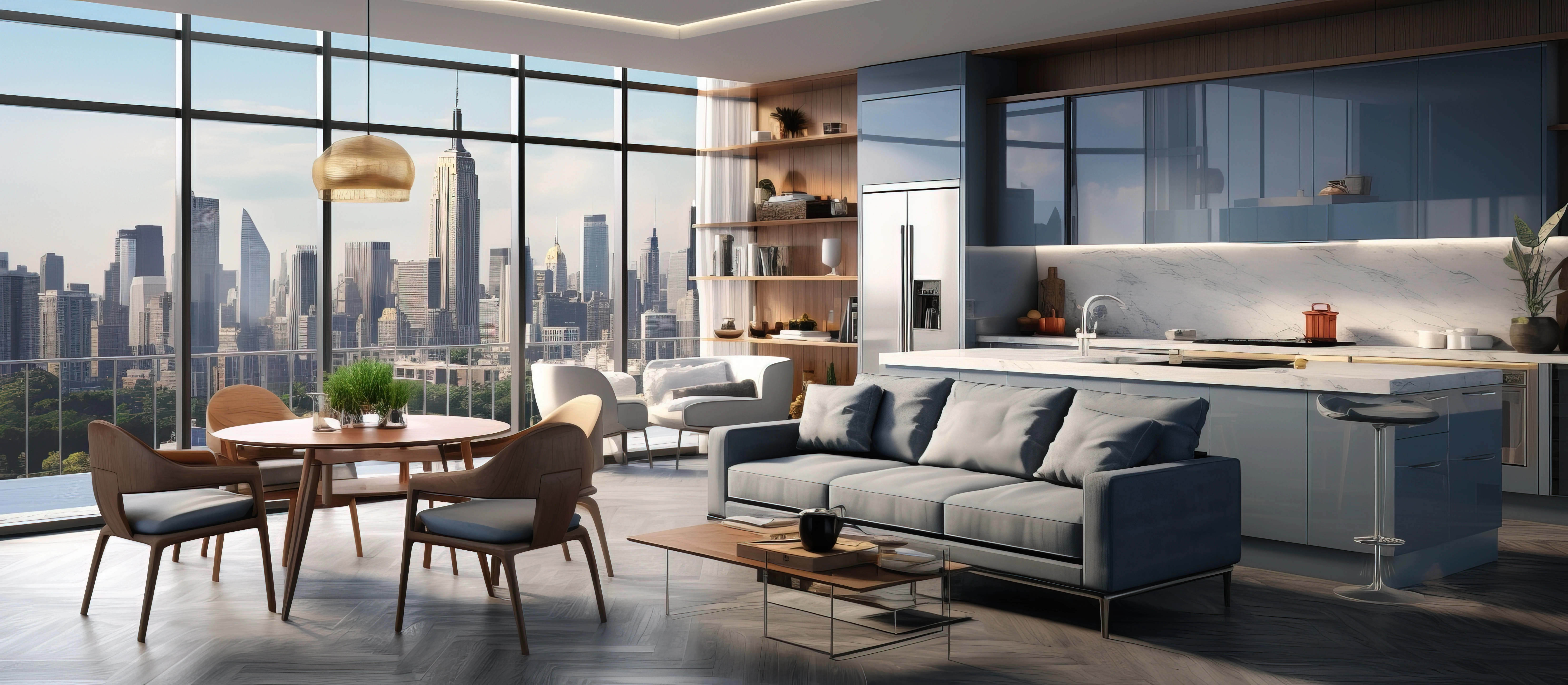
The “Attainable Luxury” Moment
Apartment, A record 404,000 new multifamily units were absorbed in 2024, yet effective rents have flattened, rising less than 1% year‑over‑year in early 2025. Developers who once counted on 8‑10% annual rent bumps now need fresh ways to defend margins in a cooler market. Market.
Enter attainable luxury—projects that deliver a premium living experience for middle‑income renters at price points 10‑20% below trophy Class A towers, while still penciling out a 6‑7% yield‑on‑cost for sponsors.

Why the Math Still Works
Attainable‑luxury projects extract margin from cost control, not rent escalation. Five levers matter most:
| Cost/Revenue Lever | Typical Savings or Lift | Key Tools |
|---|---|---|
| Smaller, smarter floorplates | 10‑15 % cap‑ex per unit | Micro‑units, convertible walls |
| Industrialized construction | 20‑30 % cap‑ex savings | Modular, prefab |
| Amenity right‑sizing | 8‑12 % operating‑expense reduction | “Essential‑only” commons |
| Prop‑tech O&M | 5‑8 % NOI lift | IoT sensors, AI maintenance |
| Capital stack creativity | 150‑200 bps cheaper equity | Mission‑driven funds, tax credits |
Let’s unpack how market leaders are pulling each lever.
1. Shrink the Footprint, Expand the Experience
Forge Development’s 240‑unit TL Residences in San Francisco prove that a 220‑sq‑ft studio can still feel upscale when it comes with motorized furniture, rooftop lounges, and pet zones. Rents land 18‑20% below Class A towers nearby, yet the project achieved LEED‑Gold specs and stabilized ahead of underwriting.
Design tactics that add perceived value at minimal cost
- Deep windows and 9‑ft ceilings (cost‑neutral in concrete podiums).
- Movable islands that double as dining tables.
- Matte‑black fixtures and quartz counters (≈ $6/sf premium vs. $50+/sf for marble).
2. Industrialized Construction: Margin in the Module
McKinsey finds that modular techniques can shave 20 % off construction costs and up to 50 % off schedules—time savings that translate directly into a lower basis and faster lease-up. mckinsey.comm
A March 2025 National Housing Crisis study confirmed the same direction: cost cuts of 20‑30 % and schedule gains of 30‑50 %.
Developer playbook
- Standardize 80 % of the kit. Bathrooms and kitchens travel fully finished; only 20 % of components remain site‑built.
- Bulk‑buy with peers. Pre‑purchasing steel‑frame volume orders secures factory line time and mitigates price volatility.
- Use “plug‑and‑play” façades. Swappable cladding lets projects read local without redesigning the module.
Greystar’s Ltd. brand institutionalized the model: factory-built apartments that vow to limit annual rent hikes to the CPI or 3%, whichever is lower, while still meeting a sub-6 % stabilized yield requirement.
3. Right‑Sizing Amenities—Luxury That Pays for Itself
Greystar’s 2024 Renter Amenity Survey (90,000 respondents) shows that walk‑in closets, abundant natural light, and fresh‑air ventilation now outrank dog spas and golf simulators.
A separate Forbes analysis concluded that “practical beats flashy” for most residents as long as core spaces feel premium.
What to keep
- Hotel‑style lobby with concierge tech kiosk (no 24/7 desk staffing).
- Co‑working lounge sized at 5sf/resident vs. 10 sf in legacy buildings.
- Fitness studio outfitted with smart mirrors instead of bulky machines.
What to skip
- Olympic pools (replace with 25‑ft lap pool).
- Full commercial kitchens in clubrooms (rentable countertop appliance carts suffice).
- Underused package lockers—outsource last‑mile to third‑party services that charge carriers, not owners.
4. Tech‑Enabled Ops: Squeezing the OPEX Line
Predictive maintenance sensors flag leaks before drywall is ruined; smart HVAC cuts energy use 15‑20%; AI chatbots handle 60 % of resident tickets. The result: a 3‑5 % lift in net operating income, effectively worth 40‑60 bps on exit cap rates in today’s market.
5. Capital Stack & Policy Levers
Mission‑driven equity and public‑private loan funds are expanding quickly. The Bay Area Housing Innovation Fund finances projects “twice as fast and at half the cost” by front‑loading soft‑cost grants and expedited permits.m
Pairing such vehicles with Low‑Income Housing Tax Credits (LIHTC) on <20 % of units can drop blended cost of capital by 150‑200 bps while preserving underwriting flexibility on the remaining 80 % of market‑rate homes.
6. Material Palette: Champagne Look, Craft‑Beer Budget
Developers are swapping genuine marble for high‑vein quartz; tongue‑and‑groove walnut for driftwood‑tone laminate; and brass plumbing trims for PVD‑coated alternatives—saving an average of $4,500 per unit without downgrading the resident’s visual experience.
7. ESG Is Now a Financial Feature
Investors are pricing in a 10‑20 bps cap‑rate advantage for properties with verified energy‑efficiency credentials. Lower utility bills reinforce affordability for tenants and NOI for owners—another reason the attainable‑luxury thesis resonates with both impact funds and core‑plus capital.
Key Takeaways for Sponsors, Designers, and Investors
- Smaller + smarter trumps larger + lavish. Clever space planning yields higher rent per square foot, keeping total monthly outlay attractive.
- Build like a manufacturer, not like a bespoke carpenter. Modularization and pre‑purchasing lock in both timelines and margins.
- Curate amenities ruthlessly. Give residents the perceived luxuries they value and eliminate the rest.
- Treat prop‑tech as a cost‑containment tool first, a marketing feature second.
- Align capital with mission. Pair private equity with policy incentives that reward attainability.
Affordable luxury is no longer an oxymoron; it’s the new middle lane of multifamily. For developers who master the playbook, margins remain alive and wel, —even in a market where headline rent growth has taken a breather.




Join The Discussion