
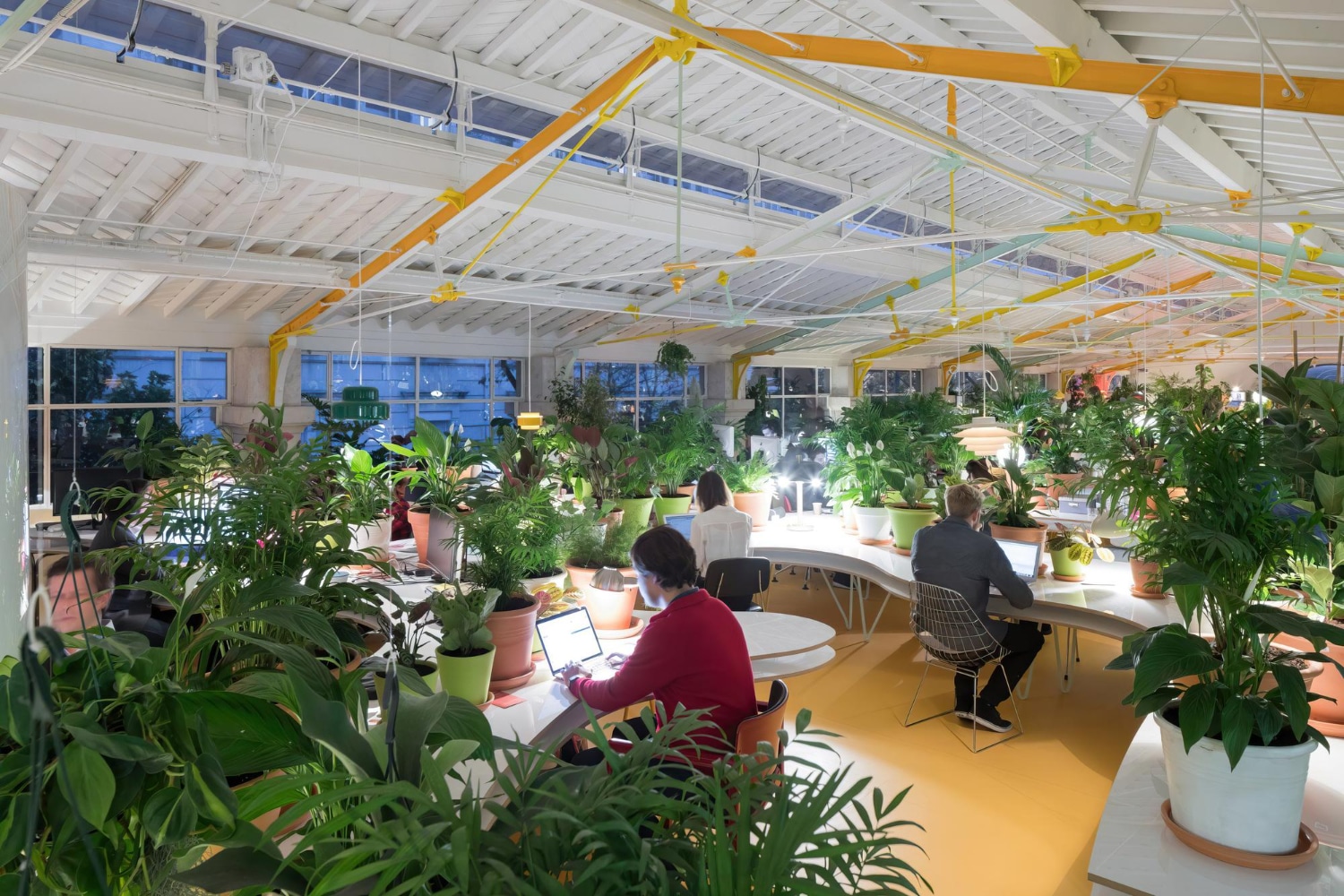
The Great Convergence
Real Estate, Ten years ago, landlords spoke of offices and malls as distinct silos. Today, the vocabulary has shifted to “meeting places,” “work lounges,” and “activation zones.” Developers from Singapore to San Francisco are integrating desks, cappuccino bars, and yoga studios into retail footprints once devoted solely to fashion tenants. The result is a new breed of hybrid asset that observers have started calling Office 3.0—workspace-as-hospitality—and Retail 4.0—mall-as-experience-platform. Whether the square footage is booked through a monthly membership or monetized by dwell time, the underlying proposition is the same: keep people onsite longer and monetize every minute.
Industry forecasts suggest that flexible workspace will account for 25–30 percent of total office take-up in global gateway cities by 2030, up from approximately 14 percent in 2024, as hybrid work reshapes corporate footprints.

Why Retail Landlords Suddenly Love Desks
- Traffic & Dwell‑Time Economics
A knowledge worker entering the premises at 8 a.m. delivers foot traffic before traditional retailers open and may linger well past the lunchtime peak. That incremental traffic is already translating into higher sales per square foot for F&B and lifestyle tenants, according to property managers interviewed for this piece. - Higher‑Yield Repositioning
Re‑tenanting a vacant big‑box, which might earn $12–$18 NNN psf as fashion retail, into a managed coworking lounge priced at $300–$450 per desk per month can lift net operating income by 20–40 percent—even after factoring in cap‑ex for fiber, HVAC upgrades and acoustic treatments. - Risk Diversification via Membership Subscriptions
Shopping-center income is still heavily driven by percentage rent and therefore cyclical. Membership fees from coworking can provide a steadier annuity‑style revenue stream, smoothing cash flow through retail downturns.
Case Studies in Convergence
| Project | Location | Hybrid Concept | Takeaway |
|---|---|---|---|
| Hej! Workshop (Ingka Centres × Industrious) | San Francisco | 46,000‑sf coworking floor nestled between an IKEA city‑format store and F&B hall | Demonstrates how mall owners can cross‑pollinate home‑furnishing sales with daily office traffic. |
| WeWork @ Funan Mall | Singapore | Three levels of flexible workspace stacked above an urban lifestyle mall | Boosted weekday footfall, helping Funan’s post‑redevelopment NOI outperform the sub‑market by ~15 percent, according to leasing sources. |
| Ingka Group “Meeting Places” Strategy | Europe & U.S. | Early metrics indicate that time-on-property has risen from 104 minutes to 139 minutes after the coworking launch. businessinsider.com | Early metrics indicate that time-on-property has increased from 104 minutes to 139 minutes following the coworking launch. |
| Simon Property Group Revamps | U.S. | Nation’s largest mall owner recasting centers as community hubs—adding pop‑up offices, fitness, esports & medical suites | Part of a broader Gen‑Z‑focused campaign to re‑ignite mall culture. |
Design Playbook: From Food‑Court to “Third Place”
Acoustic Zones
Retail slabs are noisy; coworking users crave focus. Operators are installing micro-perforated panels, sound-masking systems, and “library zones” that are set back from the atria.
Hospitality Layer
Concierge desks, towel services, aromatherapy, and barista bars borrow from boutique hotels. The goal is to replicate the frictionless feel that enterprise clients expect from Class-A office towers, without sacrificing retail spontaneity.
Omnichannel Tech Stack
Tenant‑experience apps now let a member unlock hot desks, order lattes, book spin classes, and earn loyalty points redeemable at mall retailers—all with one login. The same app provides landlords with anonymized heat maps that show where people dwell and spend their time.
Capital‑Markets Implications
- Valuation Uplift: Early transactions suggest that flex-retail hybrids can command cap rates 25–50 basis points lower than comparably located pure-play assets, due to their diversified income mix and stronger ESG scores.
- Lease Structures: Traditional malls typically use leases of 5 to 10 years, whereas coworking operators prefer management or profit-sharing agreements. The newest deals blend the two, allocating a base rent floor plus a revenue-participation kicker once the space reaches an 8 percent occupancy rate.
- Financing Hurdles: Lenders still discount coworking revenue streams, assigning higher haircuts to forecast cash flows. However, that stance is softening as operators like Industrious post portfolio-level EBITDA margins above 20 percent.
Retail 4.0: Experience Stack as Competitive Moat
Modern consumers don’t just buy products; they buy stories and social signals. Mall 4.0 bundles shopping + leisure + learning + working into an experience stack impossible to replicate online. For landlords, coworking is the missing glue that stretches the consumer journey into an all-day affair—breakfast meetings, lunchtime retail therapy, afternoon Zoom calls, and sunset rooftop yoga.
Axios recently chronicled how Columbus-area malls have slashed vacancies by adding escape rooms, sports facilities, and shared offices-a microcosm of the national shift toward entertainment-led, mixed-use centers.
Office 3.0: Workspace as a Subscription Platform
On the office side, hybrid employers want “day‑pass agility” across networks of locations. That ethos dovetails with mall‑based coworking, which inherently clusters around public transit, dining, childcare, and evening amenities. Operators that can syndicate desk inventory across multiple retail centers—think a “Spotify for Space”—are well-positioned to capture recurring corporate spend that was formerly locked into 10-year HQ leases.
Risks & Watchpoints
| Risk | Mitigation Strategy |
|---|---|
| Conversion Cap‑Ex Overruns | Curate a F&B mix that complements, not competes with, coworking café services. |
| Cannibalization of Food Courts | Flexible lease terms that allow quick subdivision into events, educational pop‑ups, or short‑stay studios. |
| Economic Downturn | Flexible lease terms that allow quick subdivision into events, educational pop‑ups or short‑stay studios. |
| Operational Complexity | Partner with seasoned hospitality operators rather than DIY management. |
The Road Ahead
The next wave is already taking shape: “subscription‑based destination hubs” where your coworking membership unlocks discounts on athleisure, priority seating at the sushi bar, and reserved stroller parking on weekends. Some analysts foresee mall-owner REITs spinning off their coworking floors into separate PropTech-enabled operating companies—mirroring the hotel franchise/OpCo-PropCo split of the 1990s.
If the past decade was about saving retail from e‑commerce, the next may be about saving the office by piggybacking on retail’s experiential renaissance. In that context, the question “Office 3.0 or Retail 4.0?” may already be obsolete. The market is voting for “Both—and.” Expect the blur to become the blueprint.




Join The Discussion