
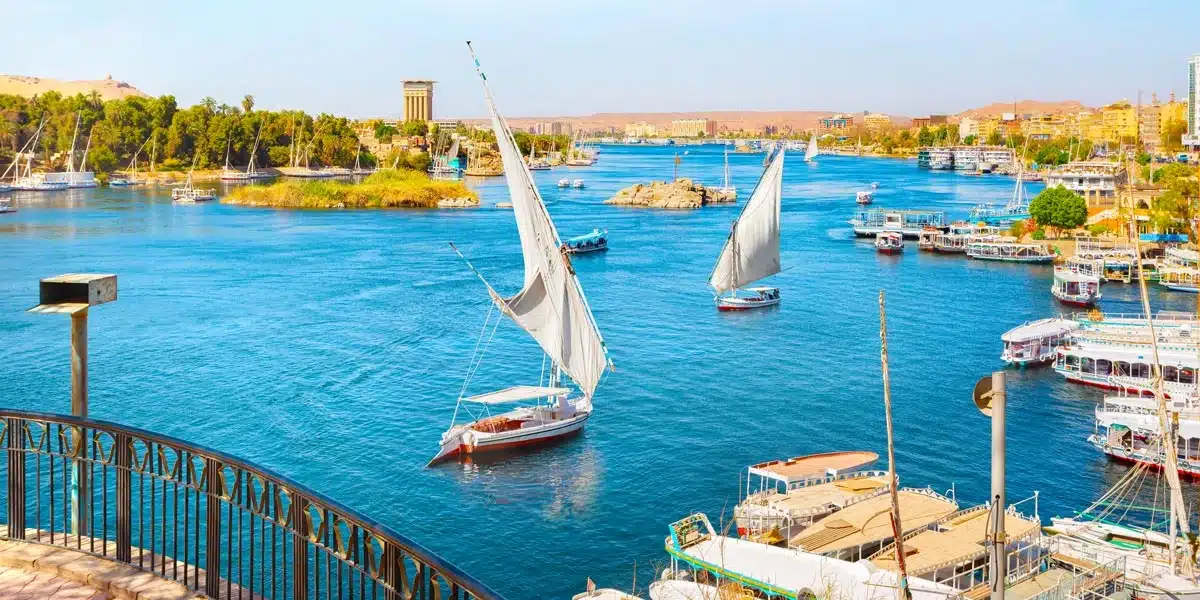
Egypt
1. Eco‑Lodges as Case Studies in Regenerative Travel
Two flagships are setting the tone:

| Property | What Makes It Sustainable | Community Footprint |
|---|---|---|
| Eco Nubia, Heissa Island | 80 % of staff hired from nearby Nubian villages; lodge funds microloans for handicraft co‑ops | Built from local granite with no cement, cork flooring, and solar thermal systems, |
| Benben by Dhara, Philae | Built from local granite with no cement, cork flooring, and solar thermal systems, | Hosts weekly heritage nights run by Nubian elders, channeling ticket revenue directly to village councils |
Room rates average US$800–$250 a night, roughly 30% above conventional Aswan hotels, yet occupancy has held at 70% even in the shoulder seasons—evidence that travelers are willing to pay a premium for verified sustainability.
2. Carbon Offsets: From Nile to Net‑Zero
- Gigawatt‑Scale Solar: The 500 MW Abydos plant switched on in December 2024, cutting an estimated 782,000 t of CO₂ annually.
- Voluntary Carbon Market: Egypt traded its first domestic carbon credits in 2024, backed by biodynamic farms in Minya,
- Solar-Powered Nile Boats: Local engineers are prototyping photovoltaic dahabiyas for low-impact cruises.
For eco-lodges, bundling stays with certified offsets is becoming a differentiator—Eco Nubia retired 800 tons of credits on behalf of guests in 2024.
3. Cultural Sensitivity Isn’t Optional—It’s the Product
Nubian culture predates Pharaonic Egypt, and missteps can quickly turn the social media tide. Community leaders ask visitors to observe three basics:
- Ask before photographing people or private homes.
- Use locally guided boats when visiting villages like Gharb Soheil.
- Buy crafts at fixed‑price cooperatives, not roadside intermediaries.
Travel advisories, such as Egypt-Uncovered’s 2025 etiquette guide, make the code explicit, while recent travel blogs highlight the warmth of these exchanges when done right
4. Economics of Empowerment
A 2024 survey by Aswan University found that every US$1,000 spent on a Nubian village tour cycle circulates US$730 locally, dwarfing the US$190 retained under conventional Nile-cruise models. Eco‑Nubia alone channels 15 % of topline revenue into micro‑grants for women‑led craft start‑ups.
5. Challenges Ahead
- Over‑commercialization: Some operators have begun staging “photo‑op houses” painted for Instagram, diluting authenticity.
- Climate Stress: Nile flows are projected to fluctuate by ±15% by 2030 under IPCC RC 4.5 scenarios, putting shoreline lodges at risk.
- Regulatory Grey Zones: Egypt’s nascent carbon market still lacks a federal registry for tourism offsets.
6. How to Travel Responsibly in Aswan
| Step | Why It Matters |
|---|---|
| Book lodges with third‑party eco‑certifications (e.g., Green Star). | Ensures energy‑and‑water audits. |
| Offset your flight via Egypt’s voluntary carbon market rather than generic global schemes. | Keeps funds in local mitigation projects. |
| Spend at least half a day in a Nubian‑run enterprise—be it a pottery workshop or a home‑stay lunch. | Direct income, zero leakage. |
The Takeaway
Aswan is demonstrating that regenerative travel can coexist with heritage stewardship, provided investors, operators, and travelers value culture as much as they do carbon metrics. For Nubia, tourism isn’t merely an economic lifeline; it is a platform to assert identity in a rapidly modernizing Nile Valley. Get the formula right, and Aswan could become Africa’s blueprint for community‑led, carbon‑smart tourism.




Join The Discussion