
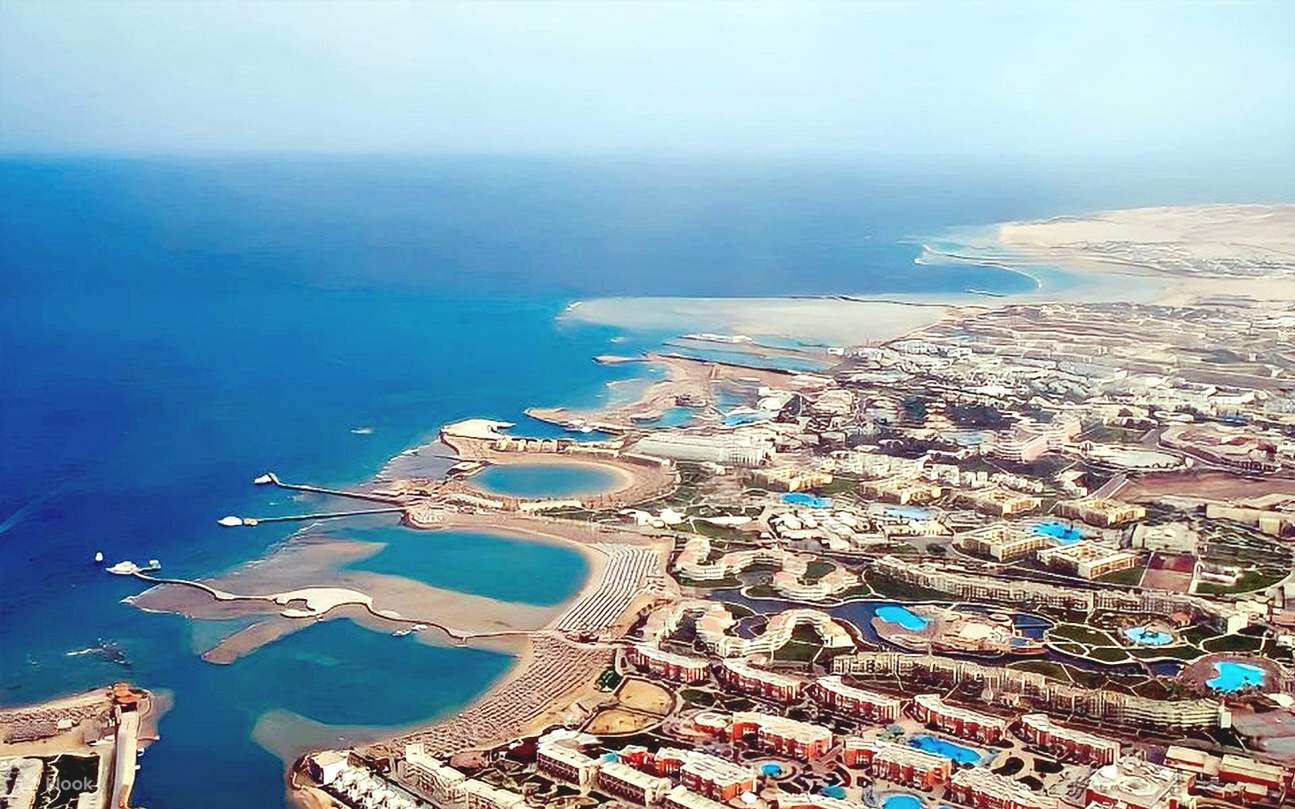
As remote work becomes the norm in a post-pandemic world, digital nomads continue to seek destinations that blend affordability, cultural richness, and easy access to natural beauty. Two spots that increasingly capture the imagination of location-independent professionals are Hurghada on Egypt's Red Sea coast and Bali, Indonesia's fabled island paradise.
This article will compare the cost of living, quality of life, and practical aspects of working from both locations. Whether you're craving sun-splashed beaches or a thriving expat community, each destination offers its unique advantage.

1. Accommodation and Housing
Hurghada
- Rental Costs: Studio or one-bedroom units in the city center cost around $300–$500 per month, while higher-end resorts or beachfront complexes can cost $600–$900.
- Property Purchase: Modern condos near Hurghada's marina typically begin at $35,000–$55,000, and subletting can yield strong rental yields.
Bali
- Rental Costs: Villas or homestays in popular areas like Canggu can cost $400–$800 per month for an essential place, though luxury pool villas might jump to $1,000+ monthly.
- Property Purchase: Foreigners typically lease property under long-term agreements. A modest villa can range from $80,000 to $150,000 on a 25–30-year lease, with prime beach-area properties commanding significantly higher rates.
Real Estate Tip:
In both Hurghada and Bali, short-term rentals (via Airbnb or local platforms) are widely available, which is ideal for digital nomads who want to test the waters before making a long-term commitment.
2. Internet Infrastructure and Coworking Spaces
Hurghada
- Connectivity: Egypt has steadily improved broadband coverage over the past few years. Most central apartments offer 20–30 Mbps speeds, sufficient for video calls and streaming.
- Coworking Spaces: Though still emerging, you'll find a few coworking cafes near the marina and in newer developments. Alternatively, resort complexes often provide remote workers with quiet lobbies or business centers.
Bali
- Connectivity: Internet speeds are generally solid in nomad hubs like Canggu, Ubud, and Seminyak. Providers can fluctuate in reliability during peak hours or rainy seasons, but most coworking spaces maintain robust backup connections.
- Coworking Spaces: Bali is internationally renowned for its coworking culture. Spaces like Dojo in Canggu or Hubud in Ubud offer strong community vibes, networking events, and even yoga classes.
Digital Nomad Tip:
Test your internet speed upon arrival. Even in developed areas, speeds can vary from neighborhood to neighborhood. A quick speed test can ensure you're set up for productive remote work.
3. Cost of Living: Food, Transportation, and Leisure
Hurghada
- Groceries: Expect to spend $40–$60 per week for a couple, thanks to local markets featuring fresh produce, bread, and local spices at budget-friendly prices.
- Dining Out: Good meals at local eateries cost $6–$12, while international cuisine or resort restaurants cost more.
- Transportation: Shared minibuses cost roughly $0.25–$0.50 per ride. Taxis and ride-hailing apps are widely available, with fares typically lower than in Western cities.
- Leisure: Beach life is central—snorkeling, diving, and desert safaris are must-try activities. Prices remain accessible, ranging from $20 for an essential snorkeling trip to $80 for more specialized excursions.
Bali
- Groceries: Shopping at local warungs and markets can keep a single person's weekly bill around $30–$50. Imported goods in supermarkets are pricier.
- Dining Out: Street meals start at just $2–$5, while a sit-down restaurant meal can cost $10–$20. Trendy cafes catering to expats might charge more.
- Transportation: Scooters are the primary way to get around. Daily rentals average $5–$8; monthly rates can be around $60–$80.
- Leisure: Surf lessons, yoga retreats, and island-hopping boat tours are popular. Costs vary widely but generally remain competitive for most budgets.
Lifestyle Tip:
Hurghada's leisure scene focuses on water sports and desert treks, while Bali offers a mix of surf culture, wellness, and jungle adventures. Your choice may depend on the environment you prefer during off-hours.
4. Community and Culture
Hurghada
- Expats: An international mix of retirees, professionals, and watersport enthusiasts. The expat community is smaller than in Bali, which can make it easier to forge close relationships quickly.
- Local Culture: Egyptian hospitality shines through, and cultural events often revolve around religious festivals. Expats commonly enjoy exploring the nearby Red Sea coastline and historical sites like Luxor (accessible by bus or car).
Bali
- Expats: Bali is well-known for its vast digital nomad population, which has created a robust network of networking events, meetups, and creative workshops.
- Local Culture: Deeply spiritual and vibrant, Balinese culture revolves around Hindu ceremonies and community gatherings. Expect frequent festivals, temple visits, and stunning traditional art and dance.
Cultural Tip:
Learning a few basic local phrases in either location goes a long way. Respecting local traditions and customs helps build friendly relationships with the community.
5. Visas and Bureaucracy
Hurghada (Egypt)
- Tourist Visas are typically valid for up to 30–90 days, depending on your nationality. Some visitors can purchase a visa on arrival, though it's best to check embassy guidelines.
- Long-Term Stay: A residency permit can be obtained for those investing in property or with specific work arrangements. Bureaucracy has improved somewhat, but expect paperwork to take time.
Bali (Indonesia)
- Tourist Visas: Most visitors receive a 30-day visa on arrival (extendable for another 30 days). Many digital nomads opt for a social visa or other extended-stay options.
- Long-Term Stay: There's no official "digital nomad visa," but existing visa categories (like the Business Visa or Retirement Visa) can suffice, though guidelines regularly change.
Logistics Tip:
Rules for working remotely under a tourist visa can be ambiguous. To avoid issues, always verify the latest regulations with official sources or reputable local agencies.
6. Real Estate Investment Potential
Hurghada
- Market Growth: Infrastructure upgrades and sustained tourism development along the Red Sea coast have boosted property values over the last few years. Off-plan developments offer competitive payment plans.
- Rental Market: Vacation rentals can yield attractive seasonal returns, especially near the beach or within upscale gated communities.
Bali
- Market Growth: Bali's popularity as a tourist mecca keeps real estate in demand, though it's primarily structured around leasehold properties for foreigners.
- Rental Market: Well-located villas can generate substantial short-term rental income, but competition is fierce, and management costs must be factored in.
Investment Tip:
Both markets have upsides for real estate investment, but the legal frameworks differ drastically. In Bali, foreign ownership is restricted, while in Hurghada, foreigners can purchase property outright. Always consult a reputable lawyer or real estate advisor before making any commitments.
Final Thoughts
Choosing between Hurghada and Bali as a digital nomad boils down to personal preferences:
- Hurghada offers a laid-back vibe, direct access to Red Sea reefs, and straightforward real estate ownership. Its smaller expat community can appeal to those seeking a tight-knit social circle.
- Bali stands out with its globally renowned coworking culture, lush landscapes, and ever-bustling expat scene. The island pulses creative energy that appeals to start-up founders and freelance creatives.
Ultimately, either destination can deliver an enviable work-life balance. From morning dives in Hurghada's crystal-clear waters to Bali's legendary surf spots and cultural celebrations, you'll find no shortage of inspiration. If you aim to stretch your budget while enjoying a tropical—or desert-sea—lifestyle, both locales remain top contenders for the modern digital nomad.


Join The Discussion